
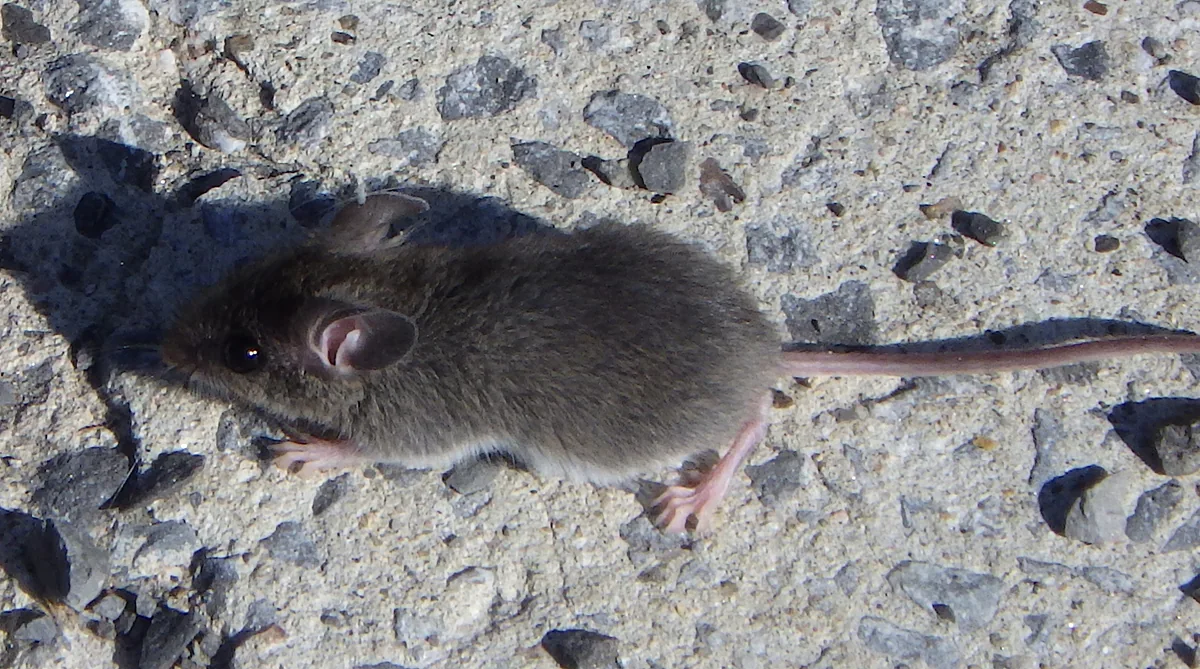
Rodent control
We find where mice or rats are getting in, control the activity and close the gaps.
- Scratching after dark
- Droppings or gnaw marks
- Gaps around pipes and doors
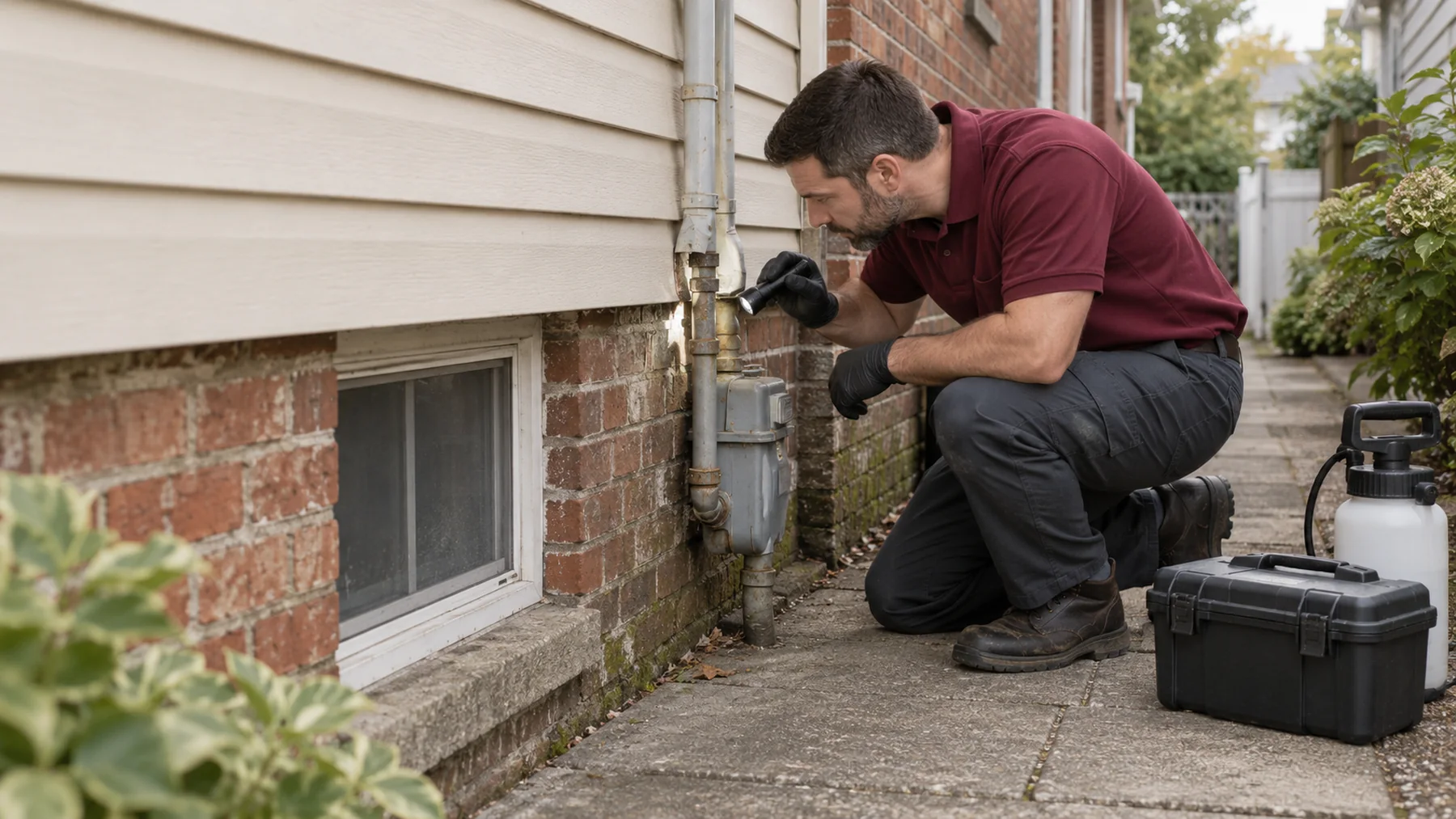
From the first signs to a plan for keeping pests out.
Get help with the problem at your home or business.
Start with what you’ve seen. An inspection confirms the pest.
We find where mice or rats are getting in, control the activity and close the gaps.
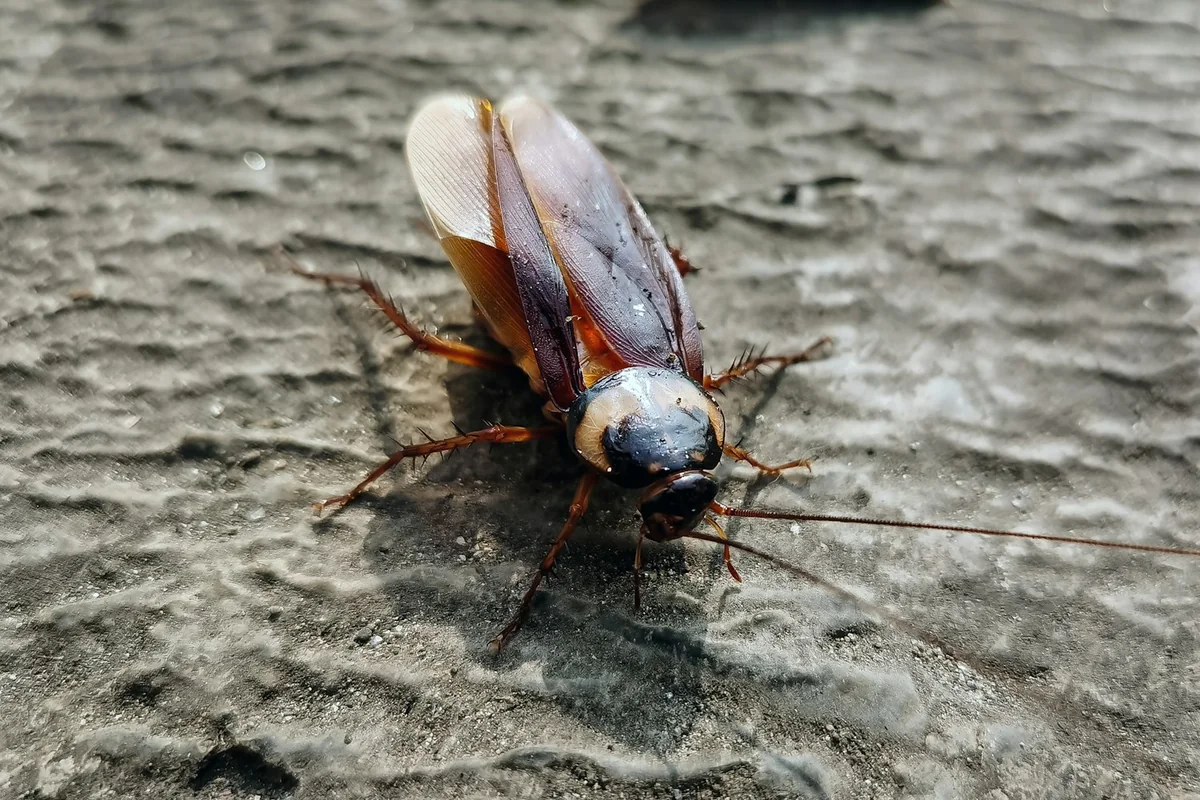
We find where cockroaches are hiding and deal with the food, water and gaps helping them spread.
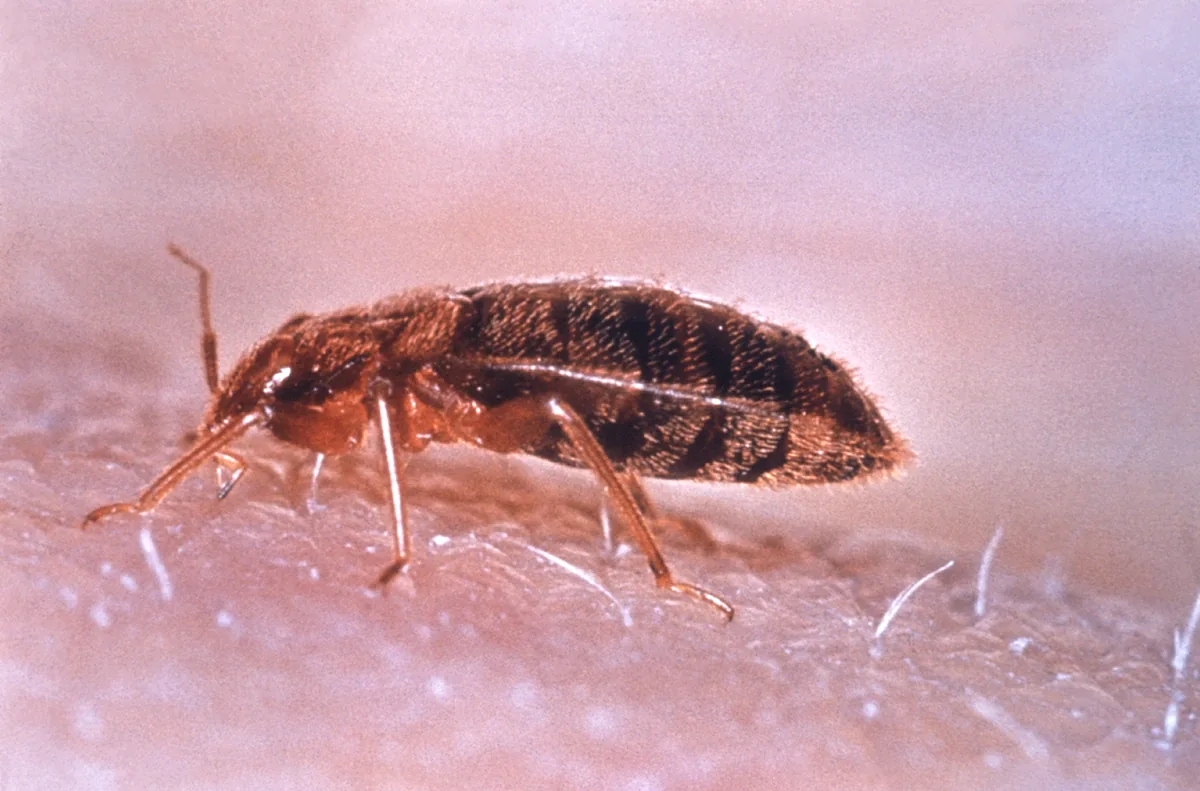
We confirm whether bed bugs are present and build a treatment plan for the rooms affected.
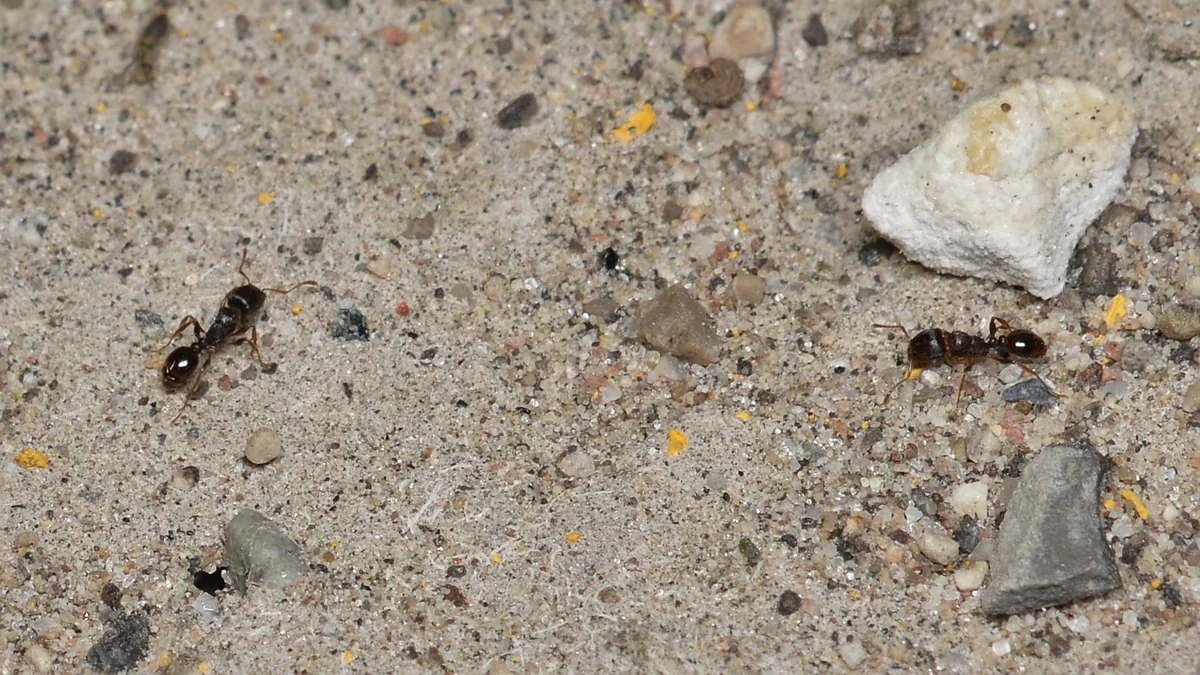
We identify the ant species, follow the trail and target the colony.
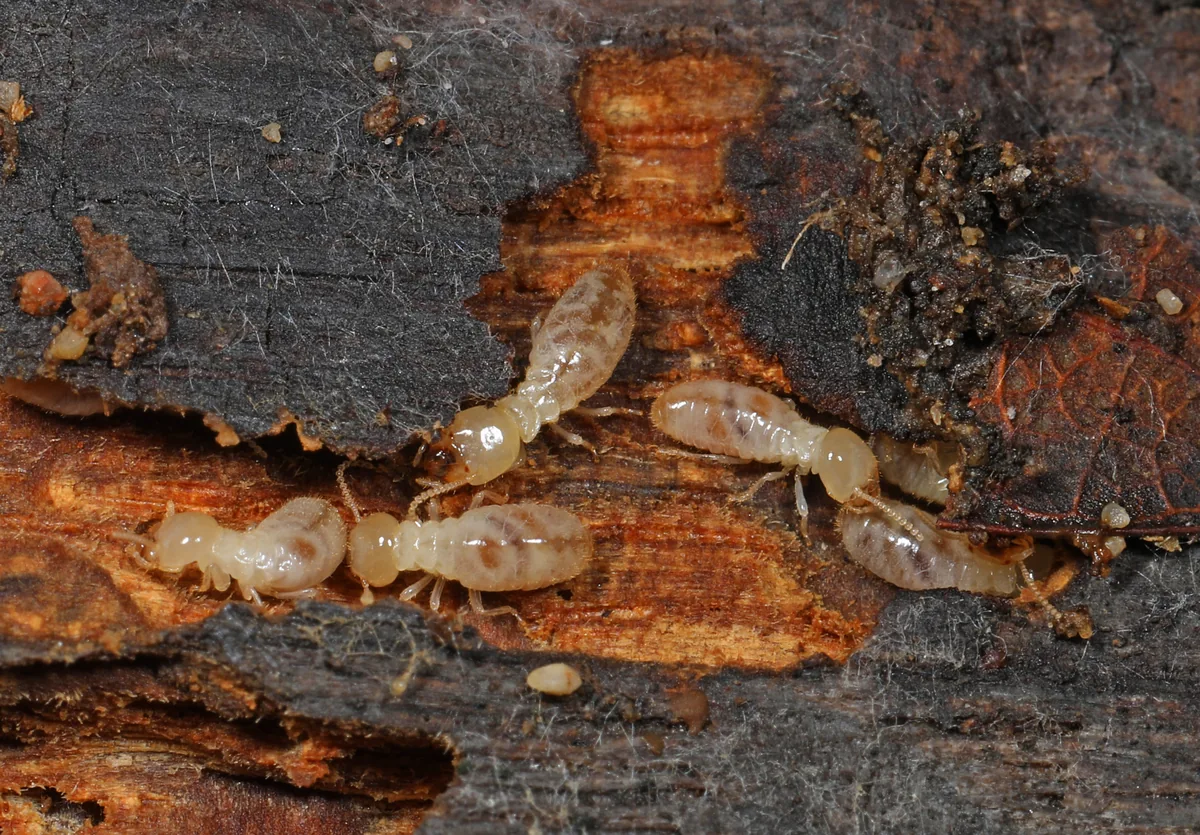
We check for active termites, find the damaged areas and recommend the right treatment.
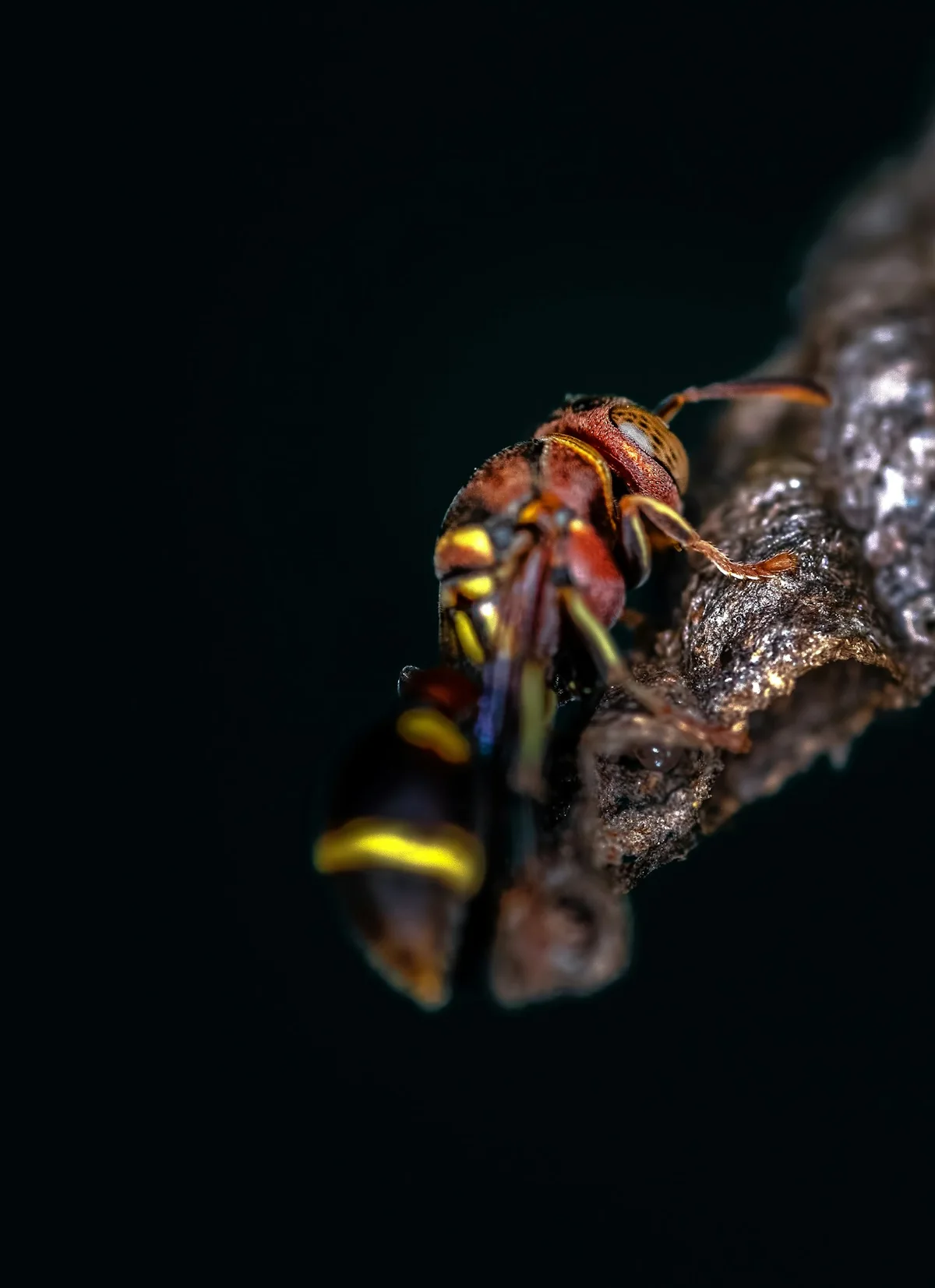
We identify the insect and deal with active nests safely.
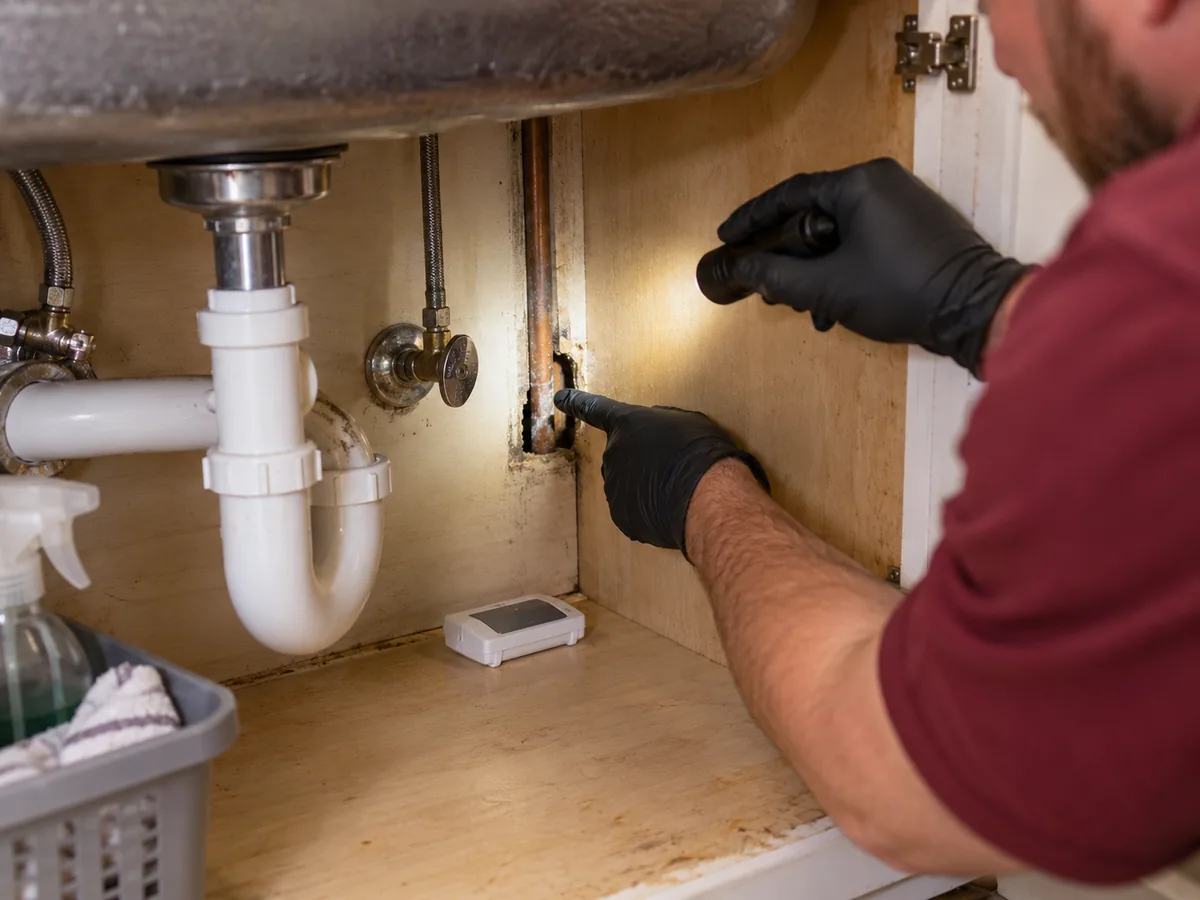
Pests leave clues. The plan should connect the signs you see with the places they hide and the gaps they use.
Check activity, accessible entry points and conditions around the affected space.
Discuss the method, preparation, price and follow-up before work begins.
Address the food, moisture and openings that can support a return.
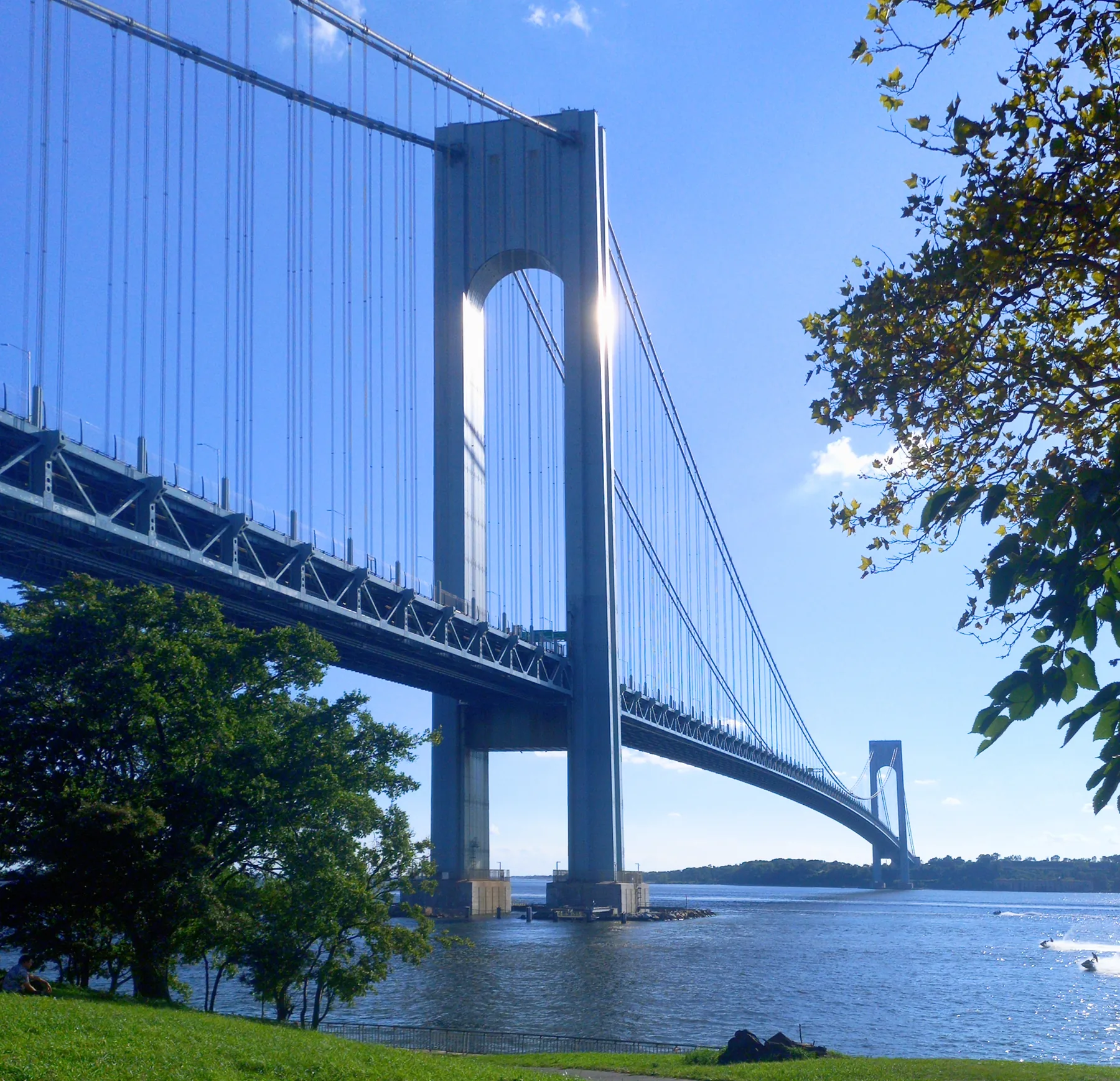
North Shore apartments. South Shore houses. Shops, yards and shared buildings. Tell us where the activity is happening.
Explore Staten Island coverageConfirm your address and appointment availability when you call.
Call 888-424-3568 with your Staten Island address and pest signs to check the earliest appointment. Same-day and after-hours visits depend on availability; a website enquiry does not reserve a visit.
The pest, affected rooms, property access, treatment method and follow-up determine the quote. Ask whether inspection, preparation and repairs are included before agreeing to work.
That depends on the treatment. Ask for written preparation and re-entry instructions. Mention children, pets and anyone who needs special arrangements before the visit.
Your address or ZIP code, property type, affected rooms and when activity started. Mention building access and who can authorize the visit. An existing photo may help with identification.